
HOW DOES DIABETES AFFECT WOUND HEALING?
Diabetes can significantly slow the body’s natural ability to heal wounds.


HOW DOES DIABETES AFFECT WOUND HEALING?
Diabetes can significantly slow the body’s ability to heal wounds. High blood sugar levels damage and narrow the blood vessels, reducing blood flow to the injured area, limiting the delivery of oxygen and nutrients needed for tissue repair.
Diabetes may also weaken the immune system, making it harder to fight infection. High blood sugar can damage the nerves (diabetic neuropathy), particularly in the feet and legs, causing reduced sensation or numbness. As a result, cuts, blisters or other injuries may go unnoticed and, develop into infected wounds or ulcers.
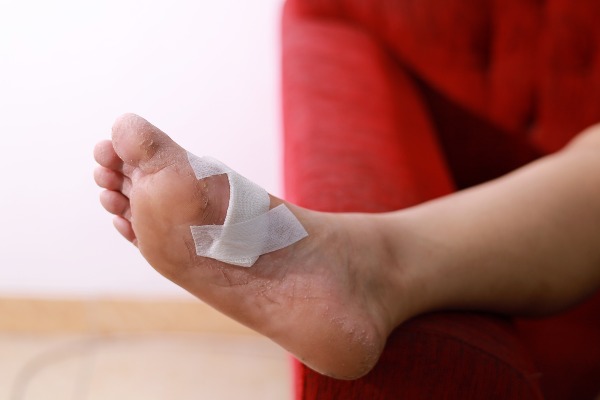
HOW DOES DIABETES SLOW WOUND HEALING?
Successful wound healing relies on healthy blood flow, oxygen delivery, a strong immune system and healthy skin. Diabetes affects all of these processes, making it harder for the body to repair damaged tissue.
Each year, 50,000 Australians develop diabetes-related foot ulcers, leading to around 28,000 hospital admissions and 4,500 lower limb amputations[1].
High blood sugar levels can:
Together, these changes can delay healing by weeks or even months if left untreated.
Nearly 50% of people with diabetes develop nerve damage (neuropathy), often in the feet and legs, making injuries easier to miss and more likely to develop into serious wounds[2].
DIABETES AND REDUCED BLOOD FLOW
Over time, diabetes can potentially damage both large and small blood vessels, reducing circulation throughout the body. Healthy blood delivers oxygen, nutrients and immune cells that are essential for fighting infection and repairing damaged tissue.
Poor circulation resulting from diabetes means a wound may receive:
These are some of the main reasons diabetic wounds often heal much more slowly.
DIABETES AND NERVE DAMAGE
Many people living with diabetes develop peripheral neuropathy, a condition that reduces feeling in the feet and lower legs.
Because of the nerve damage, sensation is diminished, even minor injuries such as cuts, blisters, burns or pressure sores may go unnoticed. Without pain acting as an early warning sign, these wounds may worsen over time, increasing the risk of infection, chronic ulcers and other serious complications.
For this reason, people with diabetes should inspect their legs and feet daily and seek prompt medical attention when necessary to help avoid wound complications.
DIABETES MAY CAUSE DRY, FRAGILE SKIN
Diabetes may cause the skin to become dry, fragile and less elastic. Elevated blood sugar levels reduce the skin’s natural ability to retain moisture, making it more prone to cracking and injury.
Even small cracks or breaks in the skin may provide an entry point for bacteria, increasing the risk of infection and delaying wound healing.
Keeping your skin healthy is an important part of preventing diabetic wounds.
DIABETES MAY INCREASE THE RISK OF WOUND INFECTION
High blood sugar affects the body’s immune response, making it more difficult to fight bacteria. As a result, wounds are more likely to become infected and infections can become more severe.
Signs of an infected wound may include:
Early treatment of infection is essential to prevent further complications.
HOW IMPORTANT IS BLOOD SUGAR CONTROL
Maintaining healthy blood glucose levels is one of the most effective ways to support wound healing. Research has consistently shown that well-controlled diabetes improves the body’s ability to repair tissue, while reducing the risk of infection and wound complications.
Good diabetes management may:
AS A DIABETIC, WHAT CAN I DO TO HELP MY WOUND HEAL?
If you have diabetes, the steps you take at home play an important role in helping your wound heal and reduce the potential risk of complications.
The most effective actions are keeping your blood glucose levels well controlled, performing daily skin (foot) checks with early intervention through your General Practitioner (GP), podiatrist or wound clinic.
Around 450,000 Australians suffer from slow-healing chronic wounds at any given time[3].
Here are some helpful tips you can do at home that may help your wound heal:
Check your body everyday – Check your body everyday for cuts, blisters, cracked skin, swelling, redness and areas under pressure such as your feet. Many people with diabetes have reduced feeling in their feet due to nerve damage (peripheral neuropathy). This means you may not notice a cut, blister or pressure injury until it has become more serious.
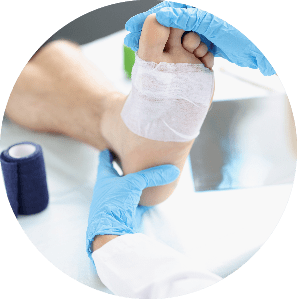
Follow your wound care plan – Specific wound dressings are selected to create the ideal environment for healing.
To give your wound the best chance of recovery:
- Use the right dressing: Your healthcare team chooses specific dressings to keep the wound at the perfect moisture level for healing.
- Keep it covered: Leave your dressings in place for the exact amount of time recommended by your nurse or podiatrist. Do not peek or change them early.
- Stop the spread of germs: Always wash your hands thoroughly with soap and water before and after touching your dressing or wound.
- Avoid home remedies: Never apply over-the-counter creams, heavy antiseptics, or home remedies unless your wound clinician specifically tells you to. These can irritate fragile new skin.
Smoking and diabetes significantly increase the risk of diabetic foot ulcers and lower limb amputations.
People with diabetes who smoke have twice the rate of lower-limb amputations compared to non-smoking diabetics[4].



References: [1] https://www.diabetesfeetaustralia.org/wp-content/uploads/2020/12/Australian-diabetes-related-foot-disease-strategy-2018-2022-DFA2020.pdf
[2] https://www.diabetesqualified.com.au/wp-content/uploads/2022/11/Consumer-fact-sheet-v2.pdf
[3] https://www.ama.com.au/sites/default/files/202210/Solutions%20to%20the%20chronic%20wound%20problem%20in%20Australia.pdf
[4] Bechara, N., Hng, TM. & Gunton, J.E. The association between tobacco smoking and systolic toe pressures in active foot ulceration. Sci Rep 14, 8550 (2024). https://doi.org/10.1038/s41598-024-59158-5.
Proud member of Australian Health Practitioner Regulation Agency, Society of Tissue Viability and Wounds Australia.