WHAT CAN I DO AT HOME TO HELP MY WOUND HEAL?
The care you provide at home plays an important role in how quickly and successfully your wound heals.
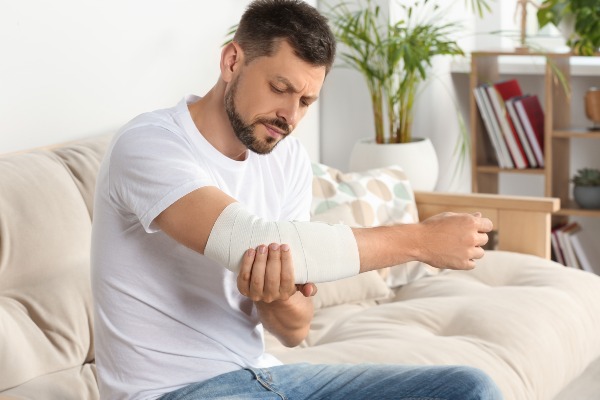

THE IMPORTANCE OF WOUND CARE AT HOME
The wound care you provide at home plays an important role in how quickly and successfully your wound heals.
Whether you have a surgical wound, diabetic ulcer, leg ulcer, pressure injury or another chronic wound, following the right home care routine can reduce the risk of infection, prevent complications and support faster healing.
If you have a chronic wound it’s important to have the knowledge, confidence and support needed to care for your wound.
TIPS FOR CARING FOR YOUR WOUND AT HOME?
Tips to help look after your wound at home include:
Maintaining a moist, protected wound environment helps your body repair tissue more effectively.
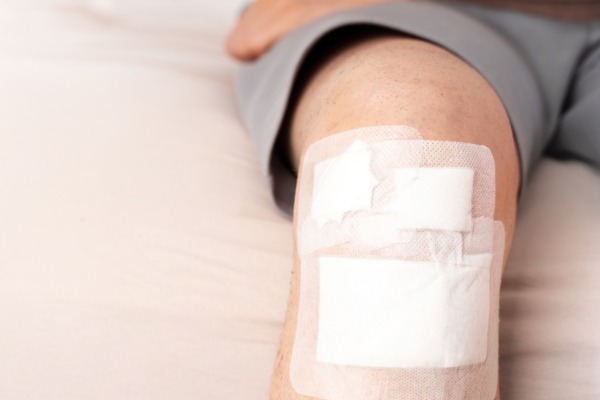
KEEP YOUR WOUND CLEAN AND PROTECTED?
One of the most important things you can do is keep your wound clean while protecting it from further injury. Your wound care team will recommend the most appropriate dressing based on your wound type and stage of healing.
TREATMENTS YOUR WOUND CARE PROFESSIONAL MAY RECOMMEND
Depending on the cause of your wound, your treatment may involve more than regular dressings.
Common wound treatments may include:
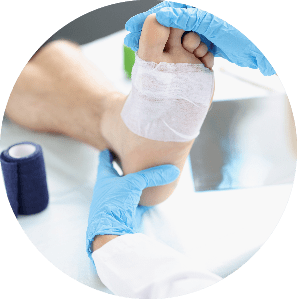
Advanced Wound Dressings – Modern wound dressings help maintain the ideal healing environment while protecting the wound from infection.
Debridement – Removing dead or damaged tissue allows healthy tissue to grow and may reduce the instances of bacteria within the wound.
Infection Management – If your wound becomes infected, treatment may include antimicrobial dressings or antibiotics.
Compression Therapy – Compression bandages or stockings are commonly used for venous leg ulcers to improve circulation and reduce swelling.
Skin Grafting – For large or difficult-to-heal wounds, skin grafting may be recommended to encourage healing.
Improving Blood Flow – Some patients require vascular assessment or treatment to improve circulation, particularly those with diabetes or arterial disease.


Proud member of Australian Health Practitioner Regulation Agency, Society of Tissue Viability and Wounds Australia.