WOUND CARE MELBOURNE – FREQUENTLY ASKED QUESTIONS
Find out more about wound care and answers to frequently asked patient questions.
WHAT IS A COMPLEX WOUND?
A complex wound is a wound that fails to heal in the normal timeframe or requires specialist care due to underlying complications. These wounds often involve tissue loss, infection, delayed healing, or exposure of deeper structures such as bone, tendon, or surgical mesh.
Complex wounds can develop after surgery or as a result of chronic conditions like diabetes, vascular disease, or poor circulation, which reduce the body’s natural ability to repair damaged tissue. Other contributing factors may include poor nutrition, smoking, infection, or pressure on the affected area.
Because complex wounds can worsen quickly if not managed correctly, they require specialised assessment, dressings specific to the wound, and close monitoring to prevent further damage and promote healing.

HOW LONG DO COMPLEX WOUNDS TAKE TO HEAL?
The healing time for a complex wound varies greatly and depends on multiple factors, including the type and cause of the wound, its size and depth, blood supply to the area, the presence of infection, and your overall health and nutrition.
In general, surgical wounds tend to heal within a few weeks, while chronic or complex wounds (those lasting longer than six weeks) can take several weeks or even months to fully close. Healing may take longer if you have underlying health conditions such as diabetes, poor circulation, immune disorders, or if you smoke, as these can all slow down the body’s natural repair process.
At Wound Care Melbourne, our experienced clinicians monitor your wound closely throughout the healing journey. We use digital photography, precise measurement tools, and clinical assessment to track progress and identify any early signs of delayed healing or complications.
Our goal is to achieve steady, effective healing while maintaining your comfort and minimising scarring. We also place a strong emphasis on patient education, helping you understand wound care techniques and preventive measures to reduce the risk of future wounds.
WHY IS MY WOUND NOT HEALING PROPERLY?
There are many reasons why a wound may not heal as expected. The following conditions can all delay the healing process:
In some cases, chronic health conditions or pressure on the wound site interfere with tissue repair and oxygen delivery to the area, leading to slow or incomplete healing.

HOW DO I KNOW IF MY WOUND IS INFECTED?
Recognising the early signs of wound infection is important for preventing complications and promoting proper healing.
Common signs of an infected wound include:
If you notice any of these symptoms, it’s important to seek medical attention promptly. Infection can slow down recovery, increase scarring, and, if left untreated, spread to deeper tissues or the bloodstream.
Surgical wounds may also reopen — a condition known as wound dehiscence. This can occur due to several factors, including excessive tension at the incision site, infection, poor blood circulation, diabetes, or other medical conditions that affect the body’s ability to heal.
At Wound Care Melbourne, our specialist team can assess your wound, identify signs of infection, and provide evidence-based treatment to control infection, promote healing, and prevent further complications.
HOW DOES DIABETES AFFECT WOUND HEALING?
Diabetes can have a major impact on the body’s ability to heal wounds. Elevated blood sugar levels affect several key systems involved in the healing process:
Together, these factors significantly slow wound healing and increase the risk of complications such as infection, ulceration, or even gangrene in severe cases.
Even small wounds can develop into chronic ulcers without prompt and proper care. That’s why regular foot checks, blood sugar control, and specialised wound management are essential for anyone living with diabetes.
WHAT HAPPENS DURING A WOUND CARE CONSULTATION?
WOUND CARE MELBOURNE – Patient care process:
At Wound Care Melbourne, your wound care journey begins with:
1. In-clinic appointment – Patient care starts with a comprehensive assessment designed to identify the underlying cause of your wound and create a clear plan for healing.
A telehealth consultation allows you to conveniently discuss your wound from the the comfort of your home. During the consult, a doctor will review your medical history, lifestyle factors, medications, and any previous wound treatments. If required, we may also organise diagnostic tests such as an x-ray, CT, MRI and or ultrasound imaging, blood tests, or vascular studies to better understand why the wound is not healing as expected.
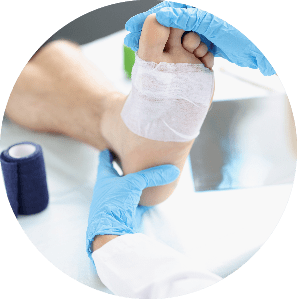
Our experienced wound care nurse performs a detailed wound assessment, including measuring the wound, taking clinical photographs for progress tracking, and checking for signs of infection or poor circulation. Initial wound treatment consists of cleaning, debridement (removal of non-healing tissue), and apply specific dressings suited to your wound.
2. Wound Care Plan – At Wound Care Melbourne, we then develop a personalised wound care plan that includes the most suitable dressing type, home care and hygiene advice, pain management strategies, and ongoing follow-up appointments. Each review ensures your wound continues to progress and allows us to make timely adjustments to optimise healing outcomes.
3. Follow Up Care – Our aim is to get you on the right path to guide your wound healing journey to promote rapid healing with the best functional and aesthetic results. Our team are here to help with wound care follow-up advice to aid proper healing, infection prevention and recovery.
WHAT CAN I DO AT HOME TO HELP MY WOUND HEAL?
Supporting your wound’s healing at home is an important part of your recovery. Small, consistent actions can make a big difference in how quickly and effectively your wound heals.
Here are some key steps to follow:
At Wound Care Melbourne, our team helps you take an active role in your recovery by providing education on proper wound care techniques, demonstrating safe dressing changes, and recommending trusted wound care products suitable for use at home. We also offer ongoing support and follow-up appointments to ensure your healing stays on track and to address any concerns quickly.
Our goal is to empower you with the right knowledge and tools so your wound heals efficiently and comfortably.
WHEN TO SEEK PROFESSIONAL WOUND CARE ADVICE?
You should seek professional wound care if:
At Wound Care Melbourne, our team of professionals help by providing timely assessment and advanced wound management. Early treatment helps prevent infection, supports faster healing, and reduces the risk of long-term complications.
Proud member of Australian Health Practitioner Regulation Agency, Society of Tissue Viability and Wounds Australia.