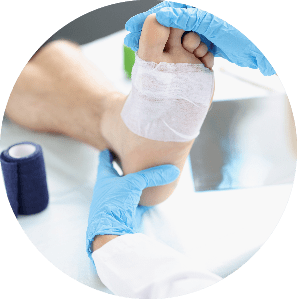
WHAT IS A COMPLEX WOUND?

The terms complex wound, chronic wound and hard-to-heal wound are frequently used interchangeably.
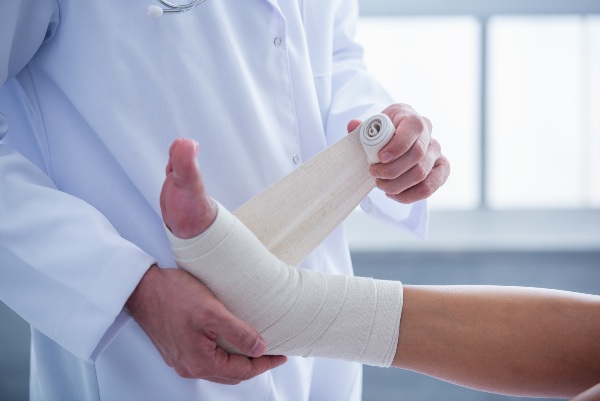

Treating a complex wound

What is a complex wound?

Learn about more about complex wounds, including definition, when is a wound considered complex, what causes a wound to become complex and types of complex wounds.

Article by:
Mr Troy Keith – Orthopaedic Surgeon
MBBS (Hons), FRACS (Orth), FAOrthA.

WHAT IS A COMPLEX WOUND?

A complex wound is a wound that is slow to heal, fails to heal within the expected timeframe (usually within 4 weeks), or requires specialist care due to underlying factors affecting recovery. These wounds may remain open for an extended period, become infected, or fail to respond to standard treatment.

Complex wounds may be acute (sudden) or chronic (long-term) and can involve deeper tissues such as tendon, muscle, bone, or surgical materials.

Complex wounds commonly occur after surgery or injury, or in people with conditions such as diabetes, poor circulation, vascular disease, or lymphoedema, which can slow the body’s natural healing process.
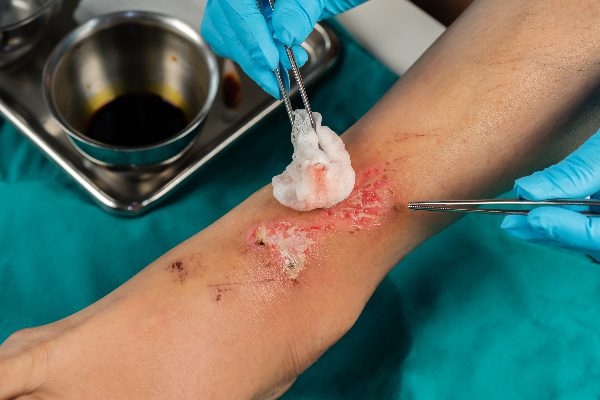
complex wound dressing

Factors such as infection, smoking, poor nutrition, swelling, pressure, and reduced mobility can further delay healing. Complex wounds can deteriorate without appropriate treatment, making early specialist assessment important to support healing and reduce complications.

Management often requires a multidisciplinary approach involving wound care specialists, doctors, podiatrists, nurses, and allied health professionals.

WHEN IS A WOUND CONSIDERED COMPLEX?

A wound may be considered complex when healing is delayed, complications develop, or underlying medical factors interfere with recovery.

Signs that a wound may be complex include:

  • Delayed healing – The wound shows little improvement or remains unhealed beyond the expected timeframe (typically more than 4 weeks)

  • Signs of infection – Redness, swelling, warmth, increasing pain, odour, discharge, or delayed healing

  • Poor blood supply – Reduced circulation affecting the wound’s ability to receive oxygen and nutrients needed for healing

  • Deeper tissue involvement – Exposure of tendon, muscle, bone, or surgical materials, or damage to surrounding tissue

  • Wound deterioration – The wound becomes larger, reopens, or worsens over time

  • Underlying health conditions – Conditions such as diabetes, vascular disease, lymphoedema, or reduced immunity that impair healing.

.
Not all complex wounds are long-term, however early assessment is important, as delayed treatment can increase the risk of infection, tissue damage, and slower healing.

WHAT CAUSES A WOUND TO BECOME COMPLEX?

There are many reasons why a wound may struggle to heal and be classified as complex. In many cases, several factors are involved at the same time.

Common causes and risk factors in complex wounds include:

  • Poor circulation or blood flow – Adequate blood flow is essential for wound healing as it delivers oxygen and nutrients to damaged tissue. Conditions affecting arteries or veins, such as peripheral vascular disease or chronic venous insufficiency, can significantly delay healing.

  • Infection – Infection is a common cause of delayed wound healing. Bacteria can damage healthy tissue, increase inflammation and pain, and prevent the wound from progressing through the normal healing process.

  • Tissue loss or deeper injury – Wounds involving significant tissue loss, surgical complications, trauma, burns, or deeper structures such as tendon, muscle, or bone are often more difficult to heal and may require specialist management.

  • Diabetes and chronic health conditions – Conditions such as diabetes, vascular disease, lymphoedema, immune disorders, and other chronic illnesses can impair circulation, immunity, and tissue repair, increasing the risk of delayed healing.

  • Certain medications – Some medications, including corticosteroids, chemotherapy, and immunosuppressive therapies, may interfere with the body’s normal healing response.

  • Lifestyle and nutritional factors – Smoking, poor nutrition, reduced mobility, and excess pressure on a wound can impair circulation and slow tissue repair.

  • Bacteria biofilm – Biofilm is a protective layer of bacteria that can develop on a wound surface, making infection more difficult to treat and delaying healing.

  • Wound re-opening (or dehiscence) – Dehiscence occurs when a surgical wound partially or completely reopens during the healing process, increasing the risk of infection and delayed recovery.

  • Pressure, swelling, or repeated trauma – Persistent pressure, swelling (oedema), friction, poor mobility, or repeated trauma can impair blood flow and place ongoing stress on the wound, slowing healing.

  • Chronic Venous Ulcers – Venous ulcers typically occur on the lower legs due to poor blood return through the veins (chronic venous insufficiency), leading to skin breakdown and delayed healing.

  • Ulcers from Vasculitis – Vasculitic ulcers occur when inflammation damages blood vessels, reducing blood supply to the skin and causing tissue breakdown.

TYPES OF COMPLEX WOUNDS

Complex wounds can develop for many reasons and are classified according to their underlying cause.

Common types of complex wounds include:

  • Infected wounds – Wounds complicated by bacterial infection, inflammation, or bacterial biofilm, which can interfere with normal healing and increase tissue damage.

  • Non-healing surgical wounds – Surgical wounds that fail to heal as expected, become infected, or reopen (dehiscence) following an operation.

  • Wounds caused by trauma – Wounds resulting from injury, accidents, skin tears, burns, or significant tissue loss that may involve deeper structures and require specialised care.

  • Diabetic foot ulcers – Open wounds that commonly develop on the feet of people with diabetes due to reduced sensation (neuropathy), poor circulation, and delayed healing. Without treatment, these wounds can become infected and increase the risk of tissue loss.

  • Venous leg ulcers – Wounds that typically occur on the lower legs due to poor blood return through the veins (chronic venous insufficiency). Increased pressure in the veins can damage the skin and delay healing.

  • Arterial ulcers – Wounds caused by reduced blood flow through the arteries (peripheral arterial disease), limiting oxygen and nutrients needed for healing. These wounds are often painful and commonly occur on the feet or lower legs.

  • Pressure injuries (bed sores) – Wounds caused by prolonged pressure on the skin, often in people with reduced mobility or prolonged bed rest. Pressure reduces blood supply to the tissue, leading to skin and tissue breakdown.

  • Moisture-associated skin damage – Skin breakdown caused by prolonged exposure to moisture from wound drainage, sweating, or incontinence, which can damage surrounding tissue and delay healing.

  • Vasculitic ulcers – Ulcers caused by inflammation of blood vessels (vasculitis), reducing blood flow to the skin and contributing to tissue breakdown and delayed healing.

  • Mixed-aetiology wounds – Wounds caused by more than one underlying factor, such as a combination of poor circulation, diabetes, pressure, or infection, often making treatment more complex.

Sources and referencesSchultz GS, Sibbald RG, Falanga V, Ayello EA, Dowsett C, Harding K, Romanelli M, Stacey MC, Teot L, Vanscheidt W. “Wound bed preparation: a systematic approach to wound management.”

Wound Repair and Regeneration. 2003;11(Suppl 1):S1–S28.

Telehealth Consultation
Bandage
Follow up care

Effective wound management requires assessment of the wound cause, overall health, blood supply, infection risk, nutrition, and psychosocial factors. If you have any questions, or would like to book an appointment, please contact us:

WOUND CARE MELBOURNE

The team of doctors and nurses at Wound Care Melbourne see patients form all over south east Melbourne including Malvern, Prahan, Toorak, South Yarra, Caufield North, Caufield, St Kilda, St Kilda East, Glen Iris, Ashburton, Hawthorn, Chadstone and surrounding suburbs.