
HOW LONG DOES IT TAKE A COMPLEX WOUND TO HEAL?
Complex wound healing times may take several weeks to 6 or more months to heal.
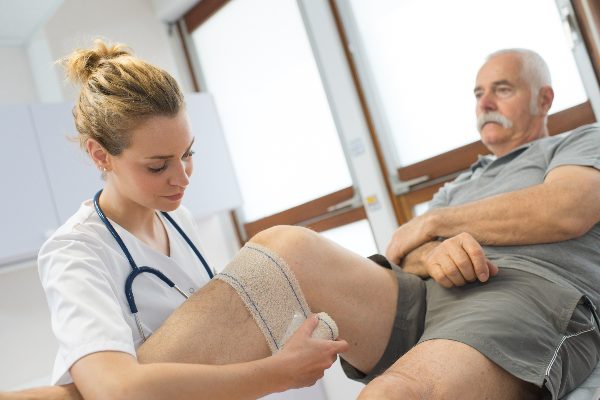

HOW LONG DOES IT TAKE A COMPLEX WOUND TO HEAL?
Complex wounds typically take several weeks to several months to heal. Unlike minor cuts or simple skin injuries, wounds that are chronic, large, deep, infected, or affected by poor circulation or diabetes, often require a structured treatment plan and ongoing specialist care.
While some wounds begin to close within 4–12 weeks, complete healing is a much longer process. Even after the skin has closed, the scar and deeper tissues continue to strengthen and remodel for up to 1–2 years.
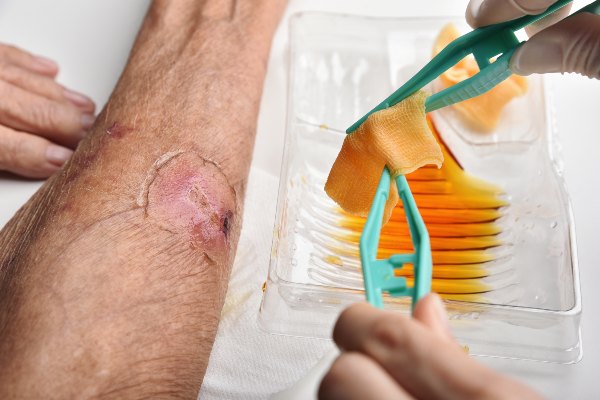
WHY DO SOME WOUNDS TAKE LONGER TO HEAL?
There are many reasons why a wound may not heal as expected. The following conditions can all delay the healing process:
Poor circulation – Reduced blood flow limits the delivery of oxygen and essential nutrients to the wound, slowing down tissue repair.
Infection – Microorganisms invade a wound and trigger a local or systemic response in the body, hindering healing.
Diabetic wounds – These often occur in the feet and legs due to poor circulation and nerve damage associated with diabetes.
Certain medications – Some medicines, such as steroids or chemotherapy drugs, can interfere with the body’s natural healing process.
Inadequate nutrition – A lack of key nutrients like protein, vitamin C, and zinc can impair the body’s ability to repair damaged tissue.
Bacteria biofilm – A layer of bacteria that attaches to the wound surface, protecting micro-organisms from antibiotics and the immune system, making infections harder to treat and delay healing.
Wound re-opening (or dehiscence) – Separation of wound edges post-surgery during the early stages of wound healing.
Pressure Sores (or Ulcers) – Develop due to prolonged pressure on the skin, often in individuals who are immobile or have limited sensation.
Chronic Venous Ulcers – Chronic venous ulcers develop in the lower legs as a result of poor blood flow, causing skin damage and delaying healing.
Ulcers from Vasculitis – Ulcers caused by vasculitis form when inflamed blood vessels reduce oxygen and nutrient supply to the skin, leading to tissue breakdown.
Wounds on the lower legs and feet often take longer to heal because blood flow is generally poorer in these areas, particularly in people with diabetes or vascular disease.
TYPICAL WOUND HEALING TIMEFRAMES
Although every wound is different, and individuals circumstances may vary greatly, below are general wound recovery timelines:



Proud member of Australian Health Practitioner Regulation Agency, Society of Tissue Viability and Wounds Australia.