WHY IS MY WOUND NOT HEALING PROPERLY?

Most wounds should show signs of healing
within 2 – 4 weeks.
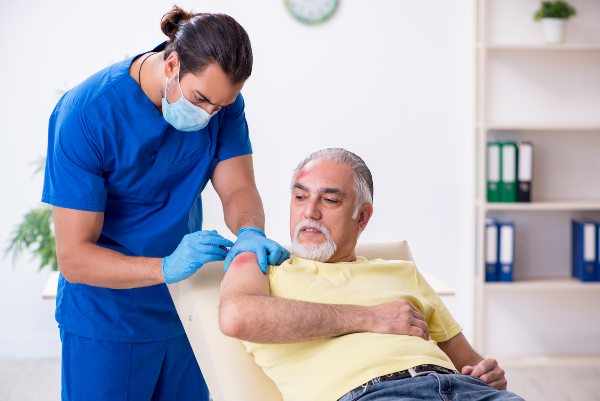
Why is my wound not healing

Why is my wound not healing properly?

Do you have a wound that is not healing? Learn how wounds heal, and common reasons why a wound may fail to heal. If you have any questions, please contact us.

Definitions and article by:
Mr Troy Keith – Orthopaedic Surgeon
MBBS (Hons), FRACS (Orth), FAOrthA.

WHY IS MY WOUND NOT HEALING PROPERLY?

Most wounds should begin to show signs of healing within 2–4 weeks. If a wound is slow to improve, repeatedly worsens, or remains open after 4–6 weeks, it may be considered a chronic or non-healing wound and should be assessed by a healthcare professional.

Delayed wound healing is common and often occurs because an underlying problem is preventing the body from repairing the tissue properly.
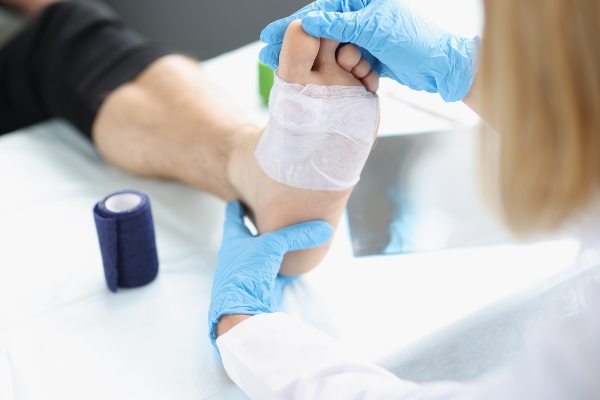
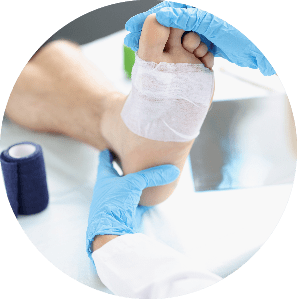
wound treating

HOW DO WOUNDS NORMALLY HEAL?

Wound healing is a natural process that occurs in stages. After an injury, the body works to:

Stage 1 – Stop bleeding
Stage 2 – Reduce inflammation and prevent infection
Stage 3 – Build new tissue and blood vessels
Stage 4 – Strengthen and remodel the skin as healing progresses

For a wound to heal properly, each stage must occur in the correct order. If one part of the healing process is disrupted, healing can slow down or stop altogether.

WOUND HEALING PROCESS
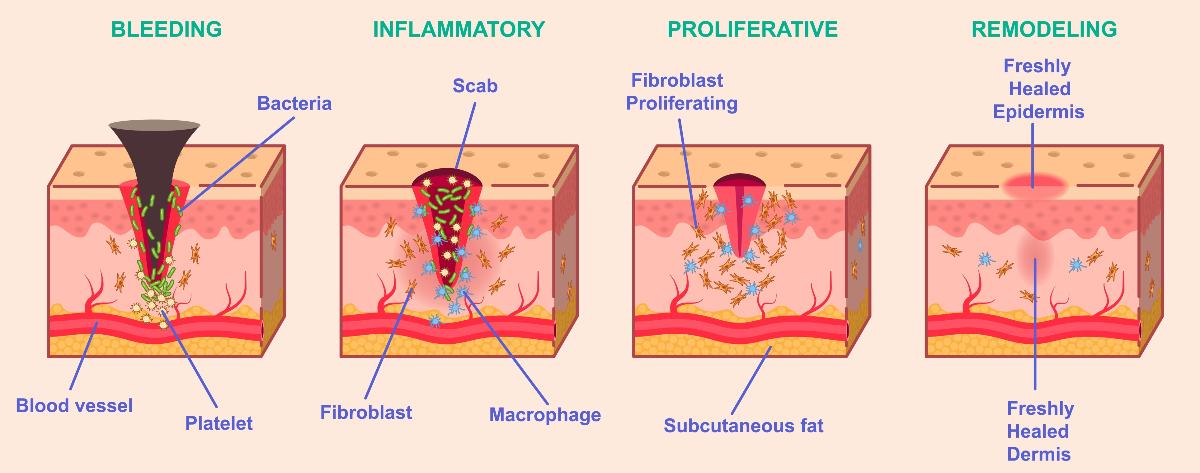
Wound Healing Process

COMMON REASONS WHY WOUNDS MAY NOT HEAL PROPERLY

There are many reasons why a wound may struggle to heal and be classified as complex. In many cases, several factors are involved at the same time.

Common causes and risk factors in why wounds may not heal include:

Infection – Infection is one of the most common reasons wounds fail to heal. Bacteria can damage healthy tissue and prolong inflammation, making it difficult for the wound to improve.

Signs of infection may include:

  • Increasing redness or warmth

  • Swelling

  • Increased pain

  • Pus or cloudy discharge

  • Unpleasant odour

  • Fever or feeling unwell

Poor Blood Circulation – Wounds rely on healthy blood flow to deliver oxygen and nutrients needed for healing. Poor circulation can significantly delay recovery, the wound may remain open or worsen overtime.

Poor blood circulation may be due to:

  • Peripheral arterial disease

  • Venous disease (poor vein function)

  • Swelling or fluid build-up

  • Smoking or vaping

Diabetes – Diabetes can slow healing in several ways. High blood sugar levels may reduce circulation, weaken the immune system, increase infection risk, and affect sensation (nerve damage), particularly in the feet. Even a small wound or blister can become serious if left untreated.

Ongoing Pressure or Repeated Trauma – Pressure, friction, or repeated injury can prevent wounds from healing. Reducing pressure on the area (off-loading) is often essential for healing.

Pressure examples include:

  • Pressure injuries (bed sores)

  • Poorly fitting footwear

  • Repeated rubbing or movement

  • Walking on a foot wound

Swelling (Oedema or Lymphoedema) – Persistent swelling can place pressure on tissues, reduce circulation, and slow healing. Fluid build-up in the legs or feet commonly contributes to chronic wounds such as leg ulcers.

Smoking and Vaping – Smoking and nicotine reduce blood flow and oxygen delivery to tissues, making it harder for wounds to heal and increasing the risk of infection and complications. Stopping smoking or vaping can significantly improve healing outcomes.

Poor Nutrition – Your body needs enough protein, calories, fluids, vitamins, and minerals to repair damaged tissue.

Poor nutrition can delay healing, particularly if there is a lack of:

  • Protein

  • Vitamin C and Vitamin D

  • Zinc and iron

  • Adequate hydration

Underlying Medical Conditions – Some medical conditions can affect the body’s ability to heal,as they may reduce circulation, increase inflammation, or slow tissue repair, including:

  • Autoimmune or inflammatory conditions

  • Vascular disease

  • Kidney disease

  • Cancer

  • Obesity

  • Immune disorders

Certain Medications – Some medications can interfere with healing, including:

  • Steroids (cortisone)

  • Some immune-suppressing medications

  • Chemotherapy treatments

Inadequate Wound Care – Using the wrong dressing, delayed treatment, unmanaged infection, excessive moisture, or dead tissue in the wound can all slow healing.

Every wound is different, which is why personalised wound assessment and treatment are important.

Telehealth Consultation
Bandage
Follow up care

Effective wound management requires assessment of the wound cause, overall health, blood supply, infection risk, nutrition, and psychosocial factors. If you have any questions, or would like to book an appointment, please contact us:

WOUND CARE MELBOURNE

The team of doctors and nurses at Wound Care Melbourne see patients form all over south east Melbourne including Malvern, Prahan, Toorak, South Yarra, Caufield North, Caufield, St Kilda, St Kilda East, Glen Iris, Ashburton, Hawthorn, Chadstone and surrounding suburbs.