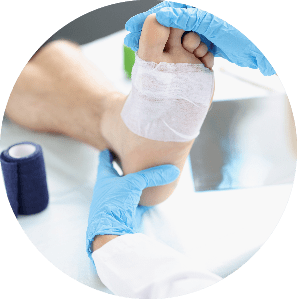
WHAT CAN I DO AT HOME TO HELP MY WOUND HEAL?

The care you provide at home plays an important role in how quickly and successfully your wound heals.
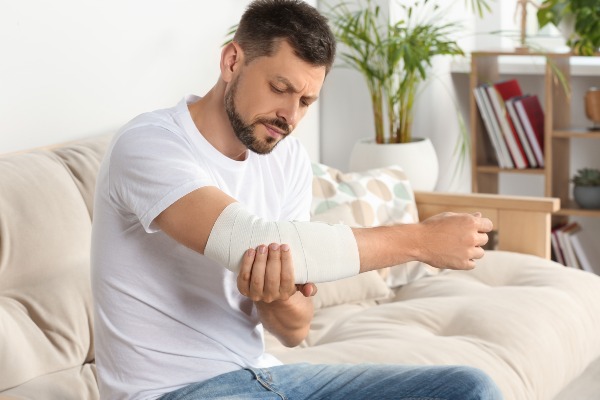

wound care at home

What can I do at home to help my wound heal ?

Learn important tips for caring for your wound at home. If you have any questions, please contact us.

Research by:
Mr Troy Keith – Orthopaedic Surgeon
MBBS (Hons), FRACS (Orth), FAOrthA.

THE IMPORTANCE OF WOUND CARE AT HOME

The wound care you provide at home plays an important role in how quickly and successfully your wound heals.

Whether you have a surgical wound, diabetic ulcer, leg ulcer, pressure injury or another chronic wound, following the right home care routine can reduce the risk of infection, prevent complications and support faster healing.

If you have a chronic wound it’s important to have the knowledge, confidence and support needed to care for your wound.
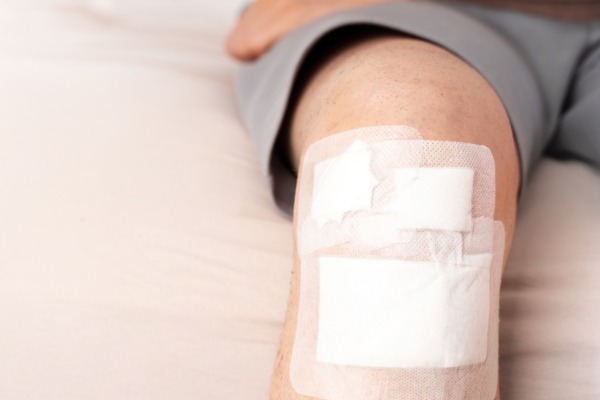
helping wound care at home

TIPS FOR CARING FOR YOUR WOUND AT HOME?

Tips to help look after your wound at home include:

  • Always wash your hands before and after touching your wound.

  • Leave your dressing in place for the recommended time.

  • Change dressings only as instructed by your clinician.

  • Keep the wound protected from dirt and trauma.

  • Avoid using antiseptics, hydrogen peroxide or alcohol unless specifically advised, as these can damage healthy healing tissue.

Maintaining a moist, protected wound environment helps your body repair tissue more effectively.

KEEP YOUR WOUND CLEAN AND PROTECTED?

One of the most important things you can do is keep your wound clean while protecting it from further injury. Your wound care team will recommend the most appropriate dressing based on your wound type and stage of healing.

FOLLOW YOUR PERSONAL WOUND CARE PLAN

Every wound is different. Following your individual treatment plan gives your wound the best chance of healing while reducing the risk of complications.

Your treatment plan may include:

  • Regular dressing changes

  • Compression therapy

  • Pressure off-loading

  • Blood sugar management

  • Medication or antibiotics

  • Follow-up appointments to monitor healing

Avoid changing your treatment without speaking to your wound care clinician.

DIET – EAT WELL TO SUPPORT WOUND HEALING

Your body needs additional nutrients to repair damaged tissue. A balanced diet can significantly improve wound healing.

Good nutrition provides the building blocks your body needs to produce new skin and fight infection.

Focus on daily intake of :

  • Water – Most people remain dehydrated through the day (Adult males require 2.6 litres per day,  and Adult females require 2.1 litres per day)

  • Protein  – An adult Australian with a chronic wound requires a daily protein intake of 1.25 to 1.5 grams of protein per kilogram of body weight.

    For example – Chicken (31 grams/100 grams ) fish (tuna 25 grams/100grams ), eggs (13 grams/100grams), yoghurt (10 grams/100grams), beans and lentils (9 grams/100grams).

  • Fresh fruit and vegetables – These supply micronutrients, antioxidants, and fluids needed to rebuild tissue and prevent infection.

    Vitamin C containing vegetables:

    Red Capsicum: Contains 240 mg per 100 grams offers more than double the vitamin C of a standard orange

    Brussels Sprouts: Contains 220 mg per 100 grams.

    Broccoli: Contains 88 mg per 100 grams.

    Vitamin C containing Fruits:

    Kiwifruit: Contains 93 mg per 100 grams

    Citrus Fruits (Oranges & Grapefruit): Contain roughly 53 mg per 100 grams.

Good nutrition provides the building blocks your body needs to produce new skin and fight infection.

DO VITAMINS HELP HEAL WOUNDS?

Some patients may benefit from nutritional supplements if they have a deficiency.

Depending on your individual health, your clinician may recommend:

  • Vitamin D – Commonly found to be low *

    Approximately 20.6% of Australian adults (about 1 in 5) have a clinical vitamin D deficiency. Vitamin D helps controls skin repair, fights wound infections, and dampens chronic inflammation.

  • Vitamin C – Is mandatory for synthesizing collagen, with collagen acting as the cellular “glue” that stabilises a closing wound and rebuilds skin tissue.

    Up to 29.9% of Australians have been found to have lower-than-optimal Vitamin C levels.

  • Vitamins A – Often depleted in patients with long-standing leg ulcers.

  • Vitamin E – A lack of vitamin E increases oxidative stress and compromises cellular membrane repair at the wound site.

  • Vitamin B12 – Commonly low, particularly in elderly or diabetic wound patients.

  • Zinc – One of the most widespread deficiencies found in chronic wound clinics. It is required for DNA repair, cellular proliferation, and local immune defence.

  • Iron – Delivers oxygen to the healing tissues.

These supplements should only be taken after discussing them with your doctor or wound care team.

REDUCING PRESSURE MAY HELP HEAL YOUR WOUND

When there is too much pressure on a wound, it blocks fresh blood, oxygen, and nutrients from reaching the injured area, which slows down or stops your healing.

What our clinic team may recommend:

  • Keep your leg raised – This may reduce swelling and help blood flow.

  • Fit compression socks – These specialised socks may help improve your circulation and minimise swelling.

  • Specialised footwear or casts – Orthotic boots, shoes, or a custom fiberglass casts designed to take the weight off may be prescribed.

  • Change positions regularly – If you spend a lot of time in bed or a chair, shifting your weight or turning every few hours prevents pressure from building up on your bones.

  • Use pressure-relieving cushions – Special foam mattresses, air overlays, or calf cushions can be used to protect your skin and “float” your heels safely off the bed.

Following these recommendations may improve circulation and promote healing.

STOP SMOKING AND LIMIT ALCOHOL

Clinical data shows that smokers experience significantly higher rates of adverse surgical events compared to non-smokers.

Smoking doubles the risk of surgical site infections and has three times higher risk of wounds splitting open.

Quitting for a minimum of 4 weeks before surgery reduces the overall rate of post-operative complications by roughly 20% to 30%. Each additional smoke-free week beyond this point improves outcomes by an extra 19% (1).

Alcohol impairs the body’s ability to absorb vital healing micronutrients, specifically Vitamin C, B and Zinc. Consuming Alcohol whilst on wound-care antibiotics can affect their efficacy.

(1) World Health Organisation (WHO) – Smoking Greatly Increases Risk of Post-Surgical Complications.

MANAGE MEDICAL CONDITIONS THAT MAY AFFECT HEALING

Many chronic wounds are caused or made worse by underlying medical conditions.

Conditions that commonly affect wound healing include:

  • Diabetes

  • Poor circulation

  • Venous disease

  • Peripheral arterial disease

  • Anaemia

  • Kidney disease

  • Reduced mobility

Managing these conditions alongside your wound treatment helps improve healing outcomes and reduces the chance of the wound returning.

TREATMENTS YOUR WOUND CARE PROFESSIONAL MAY RECOMMEND

Depending on the cause of your wound, your treatment may involve more than regular dressings.

Common wound treatments may include:

Advanced Wound Dressings – Modern wound dressings help maintain the ideal healing environment while protecting the wound from infection.

Debridement – Removing dead or damaged tissue allows healthy tissue to grow and may reduce the instances of bacteria within the wound.

Infection Management – If your wound becomes infected, treatment may include antimicrobial dressings or antibiotics.

Compression Therapy – Compression bandages or stockings are commonly used for venous leg ulcers to improve circulation and reduce swelling.

Skin Grafting – For large or difficult-to-heal wounds, skin grafting may be recommended to encourage healing.

Improving Blood Flow – Some patients require vascular assessment or treatment to improve circulation, particularly those with diabetes or arterial disease.


Telehealth Consultation
Bandage
Follow up care

Effective wound management requires assessment of the wound cause, overall health, blood supply, infection risk, nutrition, and psychosocial factors. If you have any questions, or would like to book an appointment, please contact us:

WOUND CARE MELBOURNE

The team of doctors and nurses at Wound Care Melbourne see patients form all over south east Melbourne including Malvern, Prahan, Toorak, South Yarra, Caufield North, Caufield, St Kilda, St Kilda East, Glen Iris, Ashburton, Hawthorn, Chadstone and surrounding suburbs.